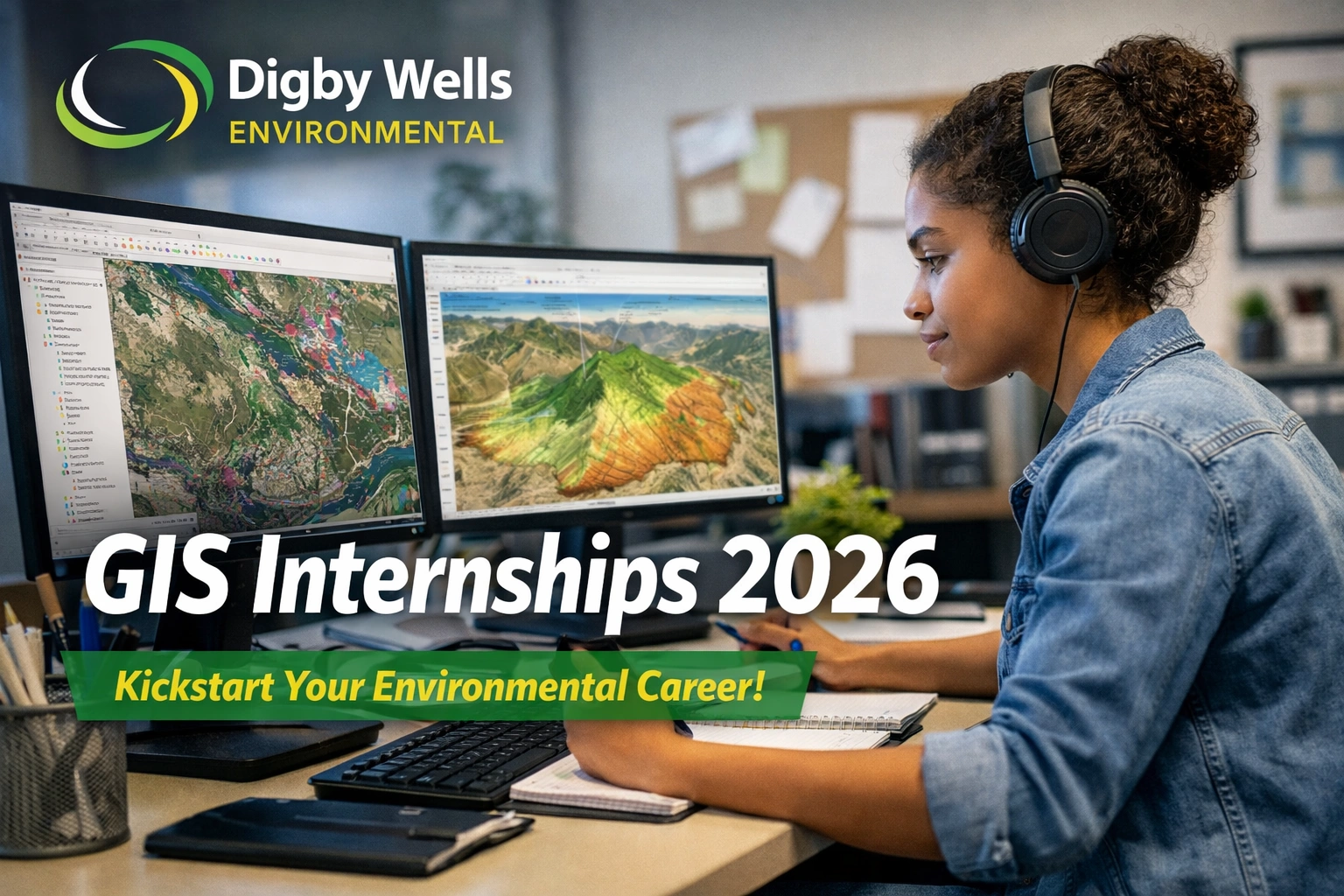
Breaking into the environmental or GIS industry can feel frustratingly difficult for many South African graduates. You’ve got the qualification, maybe even strong academic results—but employers want experience. And without experience, it’s nearly impossible to land your first role. This “experience gap” is exactly where many graduates get stuck.
The Digby Wells Environmental GIS Internships 2026 present a valuable opportunity to bridge that gap. But simply knowing about the internship isn’t enough—understanding how it works, what it offers, and how to position yourself as a strong candidate is what truly makes the difference.
This guide walks you through everything you need to know—from understanding the internship to actionable steps that improve your chances of getting selected and making the most of the experience.
Understanding the Digby Wells Environmental GIS Internships 2026
The Digby Wells Environmental GIS Internships 2026 are designed for unemployed South African graduates who want practical exposure in environmental consulting. Based in Bryanston, Johannesburg, the internship focuses on Geographic Information Systems (GIS) within real-world environmental and infrastructure projects.
Unlike purely academic learning, this programme immerses interns in actual consulting work. You’ll engage with spatial data, environmental assessments, and mapping projects that influence decision-making in sectors like mining and infrastructure.
What the Internship Involves
As a GIS intern, your responsibilities typically include:
- Collecting and analysing environmental and spatial data
- Producing maps and visual reports for projects
- Supporting GIS-related inputs across consulting assignments
- Converting CAD data into GIS formats
- Assisting with spatial modelling
- Publishing web maps and dashboards
- Collaborating with multidisciplinary teams
- Participating in fieldwork when necessary
This isn’t just a “shadowing” role—you actively contribute to projects that matter.
Why This Issue Matters
The transition from university to employment is one of the biggest barriers facing graduates today, especially in technical fields like GIS and environmental science.
Here’s why opportunities like the Digby Wells Environmental GIS Internships 2026 are so important:
1. Closing the Experience Gap
Employers consistently prioritise candidates with practical experience. Internships provide that first critical step into the industry.
2. Building Industry-Relevant Skills
University teaches theory, but consulting firms expect applied skills—like working with ArcGIS, managing datasets, and interpreting environmental legislation.
3. Improving Employability
Graduates with internship experience are significantly more competitive in the job market, especially in environmental consulting and GIS roles.
4. Supporting Sustainable Development
Environmental consulting plays a key role in responsible mining, infrastructure planning, and ecological protection. Interns contribute to real-world sustainability outcomes.
Step-by-Step Guide to Applying Successfully
Getting into the Digby Wells Environmental GIS Internships 2026 requires more than just submitting a CV. Here’s a strategic approach that improves your chances.
Step 1: Ensure You Meet the Minimum Requirements
Before applying, confirm that you meet the core criteria:
- Qualification in Geography, GIS, or related field
- Preferably BSc (Hons) or BA (Hons)
- Knowledge of GIS software (ArcGIS or QGIS)
- Strong attention to detail
- Good communication skills
- Willingness to travel for fieldwork
- Valid driver’s licence
If you’re missing one or two preferred elements (like honours), don’t automatically disqualify yourself—but strengthen other areas.
APPLY HERE: Digby Wells Environmental GIS Internships 2026
Step 2: Build a Strong GIS Portfolio
Most applicants overlook this step, but it’s one of the most powerful ways to stand out.
Include:
- Maps you’ve created (land use, environmental impact, etc.)
- Spatial analysis projects
- Any academic or personal GIS work
- Screenshots of dashboards or web maps
A simple PDF or online portfolio can significantly boost your application.
Step 3: Tailor Your CV for GIS and Environmental Roles
Avoid generic CVs. Instead:
- Highlight GIS tools (ArcGIS Pro, QGIS, etc.)
- Mention relevant coursework (Remote Sensing, Spatial Analysis)
- Include fieldwork or research experience
- Emphasise teamwork and problem-solving
Keep it clear, concise, and focused on practical skills.
Step 4: Demonstrate Knowledge of Environmental Context
The internship involves environmental consulting, so basic knowledge matters.
Focus on:
- Environmental impact assessments (EIA)
- South African environmental legislation (like NEMA)
- Mining and infrastructure impacts
You don’t need to be an expert—but showing awareness gives you an edge.
Step 5: Prepare for the Interview
If shortlisted, expect questions like:
- “Describe a GIS project you worked on.”
- “How would you handle messy spatial data?”
- “What interests you about environmental consulting?”
Prepare examples that show:
- Problem-solving
- Technical skills
- Willingness to learn
Step 6: Apply Early and Follow Instructions Carefully
Since the closing date is not specified, applying early is crucial. Late or incomplete applications are often ignored.
Double-check:
- All required documents are included
- File formats are correct
- Contact details are accurate
ALSO APPLY FOR: Citi Internship Program 2026
What You Gain From the Internship
The Digby Wells Environmental GIS Internships 2026 offer more than just work experience.
Practical Skills Development
You’ll gain hands-on experience with:
- GIS tools and software
- Spatial data analysis
- Environmental modelling
Industry Exposure
Working in a consulting environment teaches:
- Project workflows
- Client expectations
- Professional communication
Career Direction
You’ll better understand whether you want to specialise in:
- Environmental consulting
- GIS analysis
- Resource management
Networking Opportunities
You’ll connect with:
- Senior GIS specialists
- Environmental consultants
- Industry professionals
These connections often lead to future job opportunities.
Best Practices Experts Recommend
To maximise your chances and performance, follow these proven strategies:
Stay Updated With GIS Technology
Learn beyond the basics:
- Explore ArcGIS Pro advanced tools
- Practice with QGIS plugins
- Understand web mapping platforms
Develop Analytical Thinking
GIS is not just mapping—it’s about solving problems using spatial data.
Ask yourself:
- What does this data mean?
- What decisions can it inform?
Be Proactive During the Internship
Don’t wait for instructions:
- Ask questions
- Volunteer for tasks
- Seek feedback
Improve Communication Skills
You’ll need to explain technical data to non-technical stakeholders.
Practice:
- Writing clear reports
- Presenting maps effectively
Mistakes People Often Make
Avoid these common pitfalls when applying for the Digby Wells Environmental GIS Internships 2026:
1. Submitting a Generic CV
Employers can spot this instantly. Always tailor your application.
2. Ignoring Practical Skills
Listing software without showing how you’ve used it weakens your application.
3. Underestimating Soft Skills
Technical ability alone isn’t enough—teamwork and communication matter.
4. Not Preparing for Fieldwork
This role may involve travel. Showing reluctance can hurt your chances.
5. Applying Late
With no fixed deadline, positions may be filled quickly.
Frequently Asked Questions (FAQs)
1. Do I need honours to apply?
No, but it is preferred. Strong practical skills and a solid portfolio can compensate for not having honours.
2. Is this internship paid?
The details are not specified, but many consulting internships offer stipends. Confirm during the application process.
3. Can I apply if I only know QGIS and not ArcGIS?
Yes. Familiarity with either is acceptable, though learning both increases your competitiveness.
4. What kind of career can this lead to?
This internship can lead to roles such as the following: GIS Analyst, Environmental Consultant, and Spatial Data Specialist
Final Thoughts: Turning Opportunity Into a Career
The Digby Wells Environmental GIS Internships 2026 are more than just an entry-level opportunity—they’re a gateway into a competitive and meaningful industry.
If you approach the application strategically, build relevant skills, and actively engage during the internship, you can turn this experience into a long-term career.
Start preparing now:
- Strengthen your GIS skills
- Build a practical portfolio
- Tailor your application carefully
Opportunities like this don’t just reward qualifications—they reward preparation, initiative, and a willingness to learn.
ALSO APPLY FOR: Citi Internship Program 2026
APPLY HERE: Digby Wells Environmental GIS Internships 2026